Zinc deficiency: more common than you think!
Iron deficiency is well known, but what about zinc deficiency?
During flu season, it is helpful to remember that what we eat influences not only our overall health but also our immune system. Many nutrients play a role in immune function, but here we focus on a lesser-known trace element: zinc, a mineral with numerous essential functions.
Role of Zinc
Zinc is present in trace amounts in every cell of the body. It is required for countless enzymatic reactions and influences the activity of many hormones. Zinc also plays a key role in genetic material synthesis. Even a mild deficiency can lead to growth delays, slower wound healing, loss of appetite, and altered taste and smell.
Zinc is particularly important for immune function. A deficiency reduces immune efficiency because zinc contributes to the development and function of many immune cells, including antibodies that help the body defend itself against bacteria and viruses.
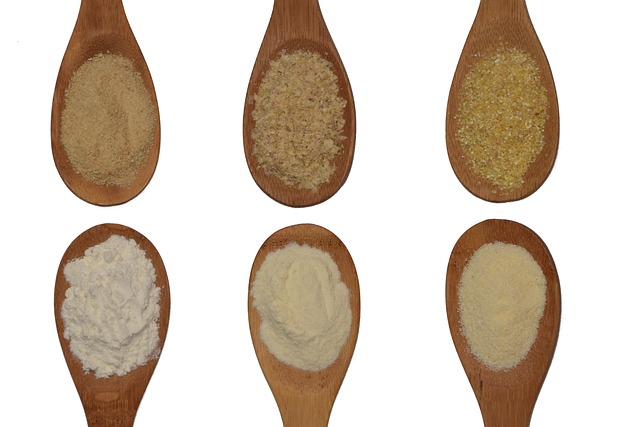
The body absorbs roughly 15% to 40% of the zinc found in foods. Oysters contain the highest concentrations, but many meats and nuts are also excellent sources. Legumes and whole grains provide meaningful amounts as well. In contrast, refined foods such as white bread, sugars, and fats contain very little zinc.
Is zinc deficiency common?
Yes. Mild zinc deficiency is believed to be relatively common in Canada, based on dietary pattern studies. It is also frequently underdiagnosed, partly because reliable clinical markers are limited.
Individuals who consume insufficient protein or very few whole grains may be more vulnerable. Higher-risk groups include older adults, pregnant women, children, vegetarians, individuals with intestinal absorption disorders, people with diabetes, kidney disease, or chronic alcohol use.
Certain medications, including diuretics, oral contraceptives, and antacids, may also reduce zinc levels.
Zinc Supplementation: A Necessary Caution
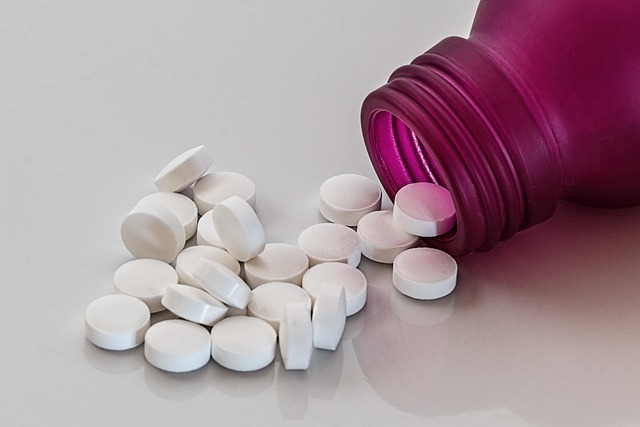
Before considering supplementation, consulting a healthcare professional is advisable. While zinc is essential, excessive intake can be harmful.
High doses of zinc, particularly from supplements taken over long periods, may disrupt mineral balance, impair immune function, and interfere with copper absorption. Emerging research has also raised concerns about excessive zinc supplementation and potential associations with adverse health outcomes.
Some studies suggest that very high supplemental zinc intake may be linked to an increased risk of certain conditions, including prostate health disturbances. The relationship is complex and dose-dependent, but it highlights an important principle in nutrition: more is not always better.
Multivitamin and mineral supplements generally contain zinc in amounts considered safe for daily use. Problems typically arise with high-dose single-nutrient supplements used without medical supervision.
Food First Approach
Ideally, zinc needs should be met primarily through diet. Consuming a protein source at each meal and choosing whole grains instead of refined products can help maintain adequate intake.
Health depends on the delicate balance of many nutrients, including trace elements such as zinc. Both deficiency and excess can disrupt this balance.
Article by Eliane Labonté, R.D.
Read more on zinc:
1. National Institutes of Health (NIH), Office of Dietary Supplements. Zinc – Health Professional Fact Sheet. Updated January 6, 2026. This official fact sheet reviews zinc’s biological functions, dietary sources, deficiency symptoms, and guidance on intake and interactions.
2. Harvard T.H. Chan School of Public Health. Zinc and Your Health. Published July 22, 2025. A science-based review of zinc’s role in immunity, recommended intakes, food sources, and potential effects of excess intake from supplements.
3. Zhang Y, Song M, Mucci LA, et al. Zinc supplement use and risk of aggressive prostate cancer: a 30-year follow-up study. Journal of Nutritional Epidemiology. 2022; based on long-term cohort data linking high supplemental zinc intake with prostate cancer risk in men.