
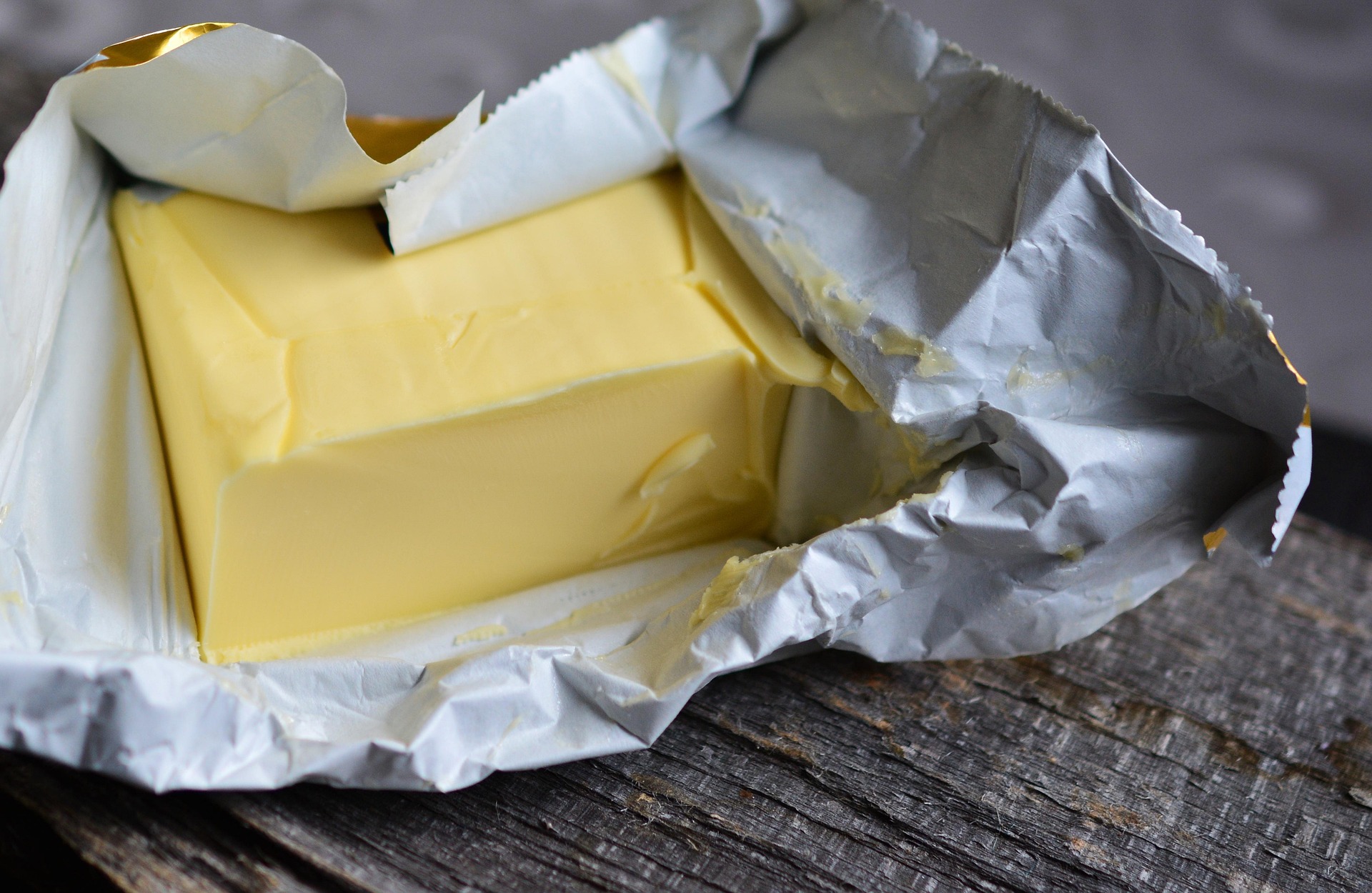
Facts about fats: how to choose wisely
When you cook, the fats you choose quietly influence your long-term health. Fats help absorb vitamins, support hormone balance, protect your cells, and provide steady energy. But the type you use most often can shift your risk for heart disease, inflammation, blood-sugar control, and even overall longevity.
The good news? Small daily choices add up in powerful ways. Decades of research—including large human trials like PREDIMED and meta-analyses from the American Heart Association and Harvard—show that swapping saturated fats for unsaturated ones often lowers “bad” LDL cholesterol, improves blood pressure, and reduces cardiovascular risk. Extra-virgin olive oil, for example, delivers polyphenols and antioxidants that fight chronic inflammation and have been linked to fewer strokes and better heart health. Avocado oil offers similar monounsaturated benefits with extra stability for higher-heat cooking. Even canola oil—often criticized for its processing—provides affordable plant-based omega-3s (ALA) that support heart and metabolic health when it replaces butter or lard.
Yet the picture isn’t simple, and that’s okay. Heat stability matters: oils that smoke at low temperatures can create unwanted compounds. Processing levels vary widely (some worry about hexane or GMOs in seed oils, including glyphosate residues from herbicide-tolerant canola crops), and personal factors like allergies, budget, or cooking style make a difference. Saturated fats such as ghee or coconut oil bring unique perks—vitamins, gut-supporting butyrate, quick energy—but excess can raise LDL. Peanut oil sits comfortably in the middle: stable for stir-fries and rich in vitamin E, with studies showing benefits for heart health and blood sugar control. Recent meta-analyses also indicate butter has relatively neutral effects on cardiovascular risk (and may compare more favorably than older trans-fat versions of margarine).
Fats: Choose wisely
Not so easy to rank fat types, but I wanted to do so. This doesn’t mean to never use a fat with a lower rank, but using it in moderation would be more appropriate. Some oils work great for some specific purposes. You should choose your ”default fat” and your ”flavor fats”. Here is my ranking (which is not more than my humble opinion! Ultimately, the choice depends on your own health goals, budget and preferences):
| Rank | Fat/Oil | Main Fat Type | Best For Health Goals | Quick Notes & Best Uses |
|---|---|---|---|---|
| 1 | Extra-Virgin Olive Oil | Mostly monounsaturated | Heart health ★, inflammation ↓, longevity | Top choice; salads, low-medium heat cooking, drizzling |
| 2 | Avocado Oil | Mostly monounsaturated | Heart health, high-heat cooking, inflammation | Neutral flavor; frying, roasting, grilling |
| 3 | Butter | Mostly saturated | Flavor, gut support (moderate use) | Baking, spreading (grass-fed preferred) |
| 4 | Ghee / Clarified Butter | Mostly saturated | Gut health, dairy-sensitive, higher-heat | Stir-frying, deep-frying (avoid if allergic) |
| 5 | Peanut Oil | Monounsaturated + polyunsaturated | Heart health, high-heat stability, vitamin E | Sautéing, roasting, Indian cooking (grass-fed best) |
| 6 | Canola oil | Monounsaturated + some omega-3 | Heart health, budget-friendly, diabetes support | Neutral; general cooking, baking, frying (choose non-GMO for a better choice of fat) |
| 7 | Lard | Balanced saturated + monounsaturated | Traditional baking, moderate animal fat | Pastries, frying (pasture-raised best) |
| 8 | Coconut Oil | Mostly saturated | Quick energy, occasional use | Baking, tropical flavors (use sparingly) |
| 9 | Margarine (modern trans-free) | Varies (often unsaturated) | Lower saturated alternative to butter | Spreading, some baking (check labels) |
Your Genes Matter: How DNA Influences Fat Choices
Your DNA adds another layer of personalization. Common gene variations (polymorphisms) explain why the same fat affects people differently—without making any oil universally “good” or “bad.”
- APOE ε4 (present in about 15–25% of people): Carriers often experience a bigger rise in LDL cholesterol from saturated fats (butter, coconut oil, lard). They tend to benefit more from monounsaturated fats like those in extra-virgin olive or avocado oil, which help protect heart and brain health.
- FADS1/FADS2 variants (common in many populations): These can slow conversion of plant omega-3 ALA (in canola or flaxseed oil) into the active EPA/DHA forms your body uses. People with these variants may need higher intakes of ALA-rich oils—or direct omega-3 sources—for stronger anti-inflammatory and heart benefits.
- PPARG Pro12Ala: The Ala12 form is linked to better insulin sensitivity and easier weight management when diets emphasize monounsaturated fats (olive, avocado, high-oleic oils).
Simple DNA tests (available in Canada) can reveal your profile, but genes are only one piece. Overall diet, activity, and regular check-ups matter far more. Your blood results will be ultimately what counts more. Consult a doctor or registered dietitian for tailored advice.
Practical Swaps and Daily Habits
• Swap butter or margarine for extra-virgin olive oil when sautéing or roasting vegetables. • Use avocado or high-oleic sunflower oil instead of regular canola or corn oil for frying. • Replace coconut oil in baking with a 50/50 mix of olive and canola for better heart balance. • Choose flaxseed oil for cold dressings instead of bottled vinaigrettes loaded with soybean oil. • For peanut-allergic households, stick to avocado or olive oil for Asian-style stir-fries.
Daily habits: Keep oils in a cool, dark cupboard; rotate 2–3 different fats each week; measure instead of free-pouring; and focus on whole-food meals where the fat enhances rather than hides ultra-processed ingredients. Start with one swap this week—you’ll feel good knowing your small choice supports big health wins over time.
For a more scientific version of this article, read ”Should extra-olive oil be your default fat”?
References
- Estruch R, et al. Primary Prevention of Cardiovascular Disease with a Mediterranean Diet Supplemented with Extra-Virgin Olive Oil or Nuts. N Engl J Med. 2018;378(25):e34. doi:10.1056/NEJMoa1800389
- Guasch-Ferré M, et al. Olive oil intake and risk of cardiovascular disease and mortality in the PREDIMED Study. BMC Med. 2014;12:78. doi:10.1186/1741-7015-12-78
- Ros E. Mediterranean Diet and Cardiovascular Health: Teachings of the PREDIMED Study. Adv Nutr. 2014;5(3):330S-336S.
- Vicini JL, et al. Residues of glyphosate in food and dietary exposure. Compr Rev Food Sci Food Saf. 2021;20(6):5225-5259.
- Pimpin L, et al. Is Butter Back? A Systematic Review and Meta-Analysis of Butter Consumption and Risk of Cardiovascular Disease, Diabetes, and Total Mortality. PLoS One. 2016;11(6):e0158118.
- Parilli-Moser I, et al. Effect of Peanut Consumption on Cardiovascular Risk Factors: A Randomized Clinical Trial and Meta-Analysis. Nutrients. 2022;14(8):1640.
